Biologist interested in population ecology and trophic interactions in a climate change context - particularly in the Arctic. Professor at Aarhus University.
| Arctic | Zackenberg | Biotic interactions | Climate Change | Food webs | Population dynamics
Niels Martin Schmidt
Loading...
Trace element signatures in wool from wild #muskox reveal population trends. Read the paper here: doi.org/10.1002/ece3... @zackenberg.bsky.social @ucalgary.bsky.social @au.dk @cnrs.fr
2026. Seasonal shifts in muskox metabolic rates and energy expenditure are primarily governed by ambient temperature royalsocietypublishing.org/rspb/article...
www.linkedin.com/posts/niels-...
New postdoc position on bioaccumulation and effects of PFAS in arctic-breeding seabirds. Field sites in coastal Norway and Svalbard. Advisors will be Veerle Jaspers and Bjørn Monroe at NTNU in collaboration with ecologists at NINA. Application deadline 26 April 2026. www.jobbnorge.no/en/available...
🦌 Emerging priorities in Arctic #herbivory research 🦌
Our horizon scan highlights priority areas for Arctic herbivory management and research. Wonderfully led (as always) by @icbarrio.bsky.social and in collaboration with >70 interdisciplinary authors.
cdnsciencepub.com/doi/abs/10.1...
Three #PhD positions related to projects on #tundra and #permafrost peatland changes are currently open at one of our partner institutions!
Application DL: 15.2.2026
#remotesensing #carbonfluxes #arcticvegetation #palsamire 🌱
nordborn.lbhi.is?p=524
🌸Plant diversity dynamics over space and time in a warming Arctic 🌸
Our new study @nature.com analysed plant diversity change in >2000 tundra plots over 4 decades. We found that plants changed unevenly, mostly driven by warming and biotic interactions.
www.nature.com/articles/s41...
🧵 (1/7) 🌐🧪🌱🌍
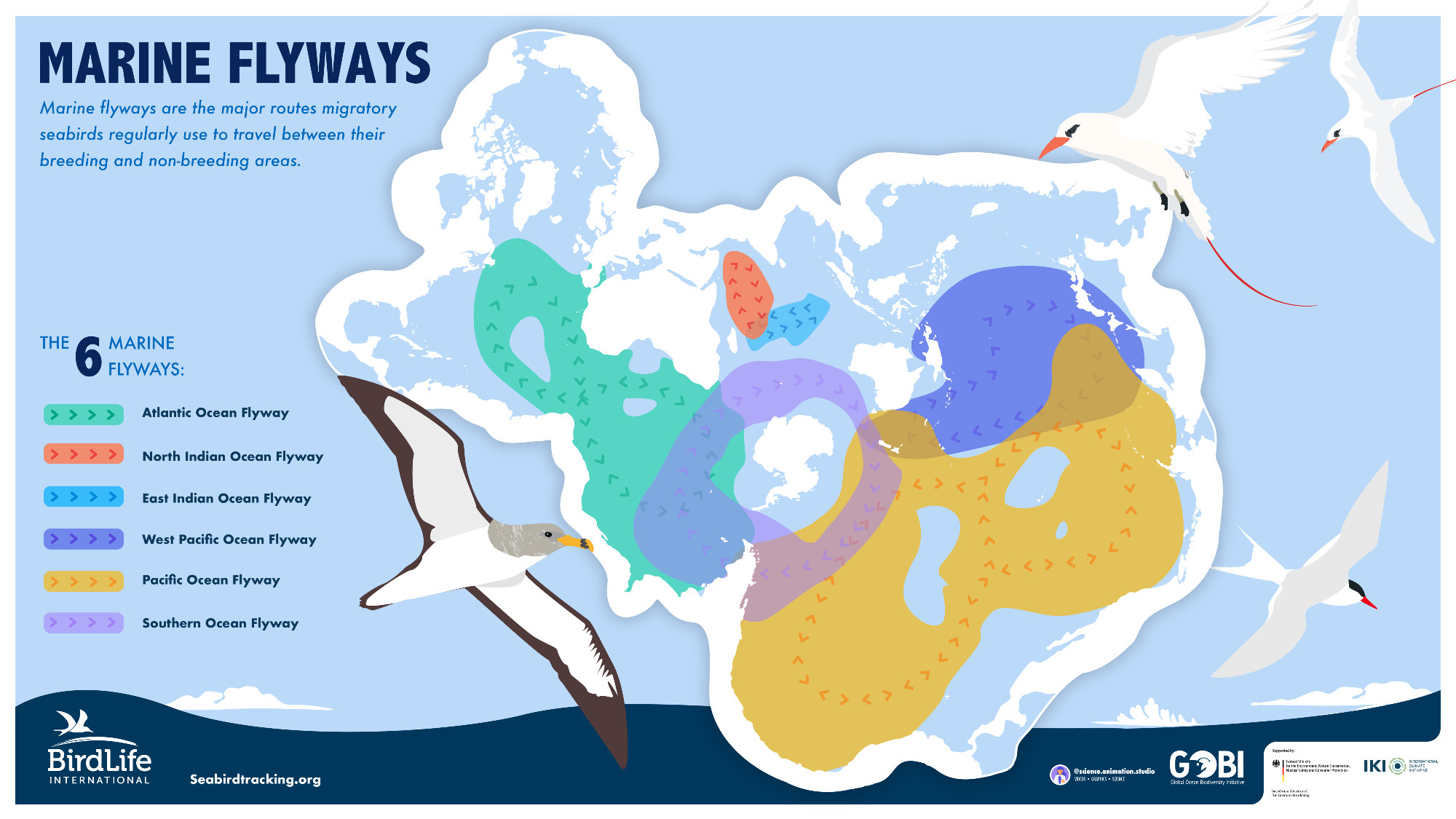
🚨NEW OPEN ACCESS PAPER🚨details how we delineated six #MarineFlyways using #seabird #tracking data & novel analytical methods
➡️ doi.org/10.1111/geb.70004
🧪 #ornithology #migration #BLScience
@birdlifeglobal.bsky.social
We are grateful to GOBI @iki-germany.bsky.social for funding the project
🧵1/5
New study out!! 25 years of harbour porpoise tracking data shows a decline in overlap between habitat suitability and the location of MPAs across the North Sea–Baltic Sea transition zone. Relevant info for the design of future MPAs under the EU Biodiversity Strategy 2030!
shorturl.at/scIGB
🦌 NEW PAPER ALERT! 🦌
Our paper on wild #reindeer and #caribou is out in Science Advances! Thanks to the team: Eric Post, @nmschmidt.bsky.social, Stuart Brown, @noguesbravo.bsky.social and Damien Fordham that co-lead this research.
doi.org/10.1126/scia...
Niels Martin Schmidt
Niels Martin Schmidt
Alan McElligott
Marine ecosystems across the globe are under pressure requiring evaluations of whether marine protected areas (MPAs) remain effective in safeguarding …
This study assesses the concentration of trace elements in muskox qiviut (hair) in populations with different trajectories. We found that certain elements, including copper, selenium and iron, were m....
Large herbivores are key species in tundra ecosystems - and as the Arctic continues to warm, ungulates move north. In Northeast Greenland, this leaves behind plant communities that are no longer contr...
www.linkedin.com
NordBorN
Dr. Mariana García Criado
Dr. Mariana García Criado
𝙱.𝙺. 𝚂𝚊𝚗𝚍𝚎𝚛𝚌𝚘𝚌𝚔
Floris M van Beest
BirdLife Marine
Job title: Researcher on bioaccumulation and effects of PFAS in seabirds (296947), Employer: NTNU - Norwegian University of Science and Technology, Deadline: Sunday, April 26, 2026
Abstract. In response to global warming, many species are expected to move north to track their climatic envelopes, and nowhere is this more apparent than
The Department of Geographical and Historical Studies at the University of Eastern Finland is seeking three motivated PhD researchers for projects on tundra and permafrost peatland changes in northern...
nordborn.lbhi.is
Rangifer population dynamics over 21,000 years reveal that future climatic warming will cause losses that surpass safe boundaries.
Herbivores are an integral part of Arctic terrestrial ecosystems, driving ecosystem functioning and sustaining local livelihoods. In the context of accelerated climate warming and land use changes, un...